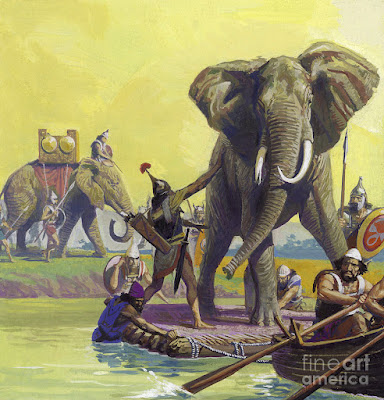
Croix de Guerre
—Poetry by Jack D. Harvey,
Delmar, NY
—Photos Courtesy of
Public Domain
CROIX DE GUERRE
Let me tell you
chiefs and chefs,
I don’t know,
haven’t the faintest idea,
how to accept all this honor;
how to show, without fraud
or display
my deep feeling,
my gross emotion,
and all in all
thanes, your gleaming
eyes bespeak an honor
not mine, but of all
those who died, pro patria;
gutted like perch,
their holy stink
ascends to Valhalla.
But on.
Let me say thanks;
my parts are here,
arms, legs, eyes;
the net has not been
cast over my
darling anatomy,
eagles, no thanks to you—
in the baldric my scars
start and end.
So I say I am honored;
honored by your respect
and repast;
honored by the tombstone
I carry on my back.
But let me tell you,
generals and commanders,
I don’t want
lunch or dinner;
in the field the
wheat is broken
and the stumps of the slain
have cast their final vote,
raised dead limbs skyward.
Kameraden, let me tell you
go and give the
dead food.
Let me tell you
chiefs and chefs,
I don’t know,
haven’t the faintest idea,
how to accept all this honor;
how to show, without fraud
or display
my deep feeling,
my gross emotion,
and all in all
thanes, your gleaming
eyes bespeak an honor
not mine, but of all
those who died, pro patria;
gutted like perch,
their holy stink
ascends to Valhalla.
But on.
Let me say thanks;
my parts are here,
arms, legs, eyes;
the net has not been
cast over my
darling anatomy,
eagles, no thanks to you—
in the baldric my scars
start and end.
So I say I am honored;
honored by your respect
and repast;
honored by the tombstone
I carry on my back.
But let me tell you,
generals and commanders,
I don’t want
lunch or dinner;
in the field the
wheat is broken
and the stumps of the slain
have cast their final vote,
raised dead limbs skyward.
Kameraden, let me tell you
go and give the
dead food.

MUSIC HATH CHARM
Sweetbody told me
that in the Republic
of Mars
surgeons operate
not with scalpels
in their mitts but
with musical instruments—
can this be true?
The ragged edges of
make-believe are
strained by that metal.
Who can't see the
trumpeting surgeon
blowing an abdomen open
with the brass,
or the piccolo twiddling
away the cerebellum?
What fancy irritations
for the bemused patient.
Locked in death,
the corpse is a feast
of sound;
the human recovery
a triumphal procession.
Death allegro,
life andante.
Maybe on Mars
concerts are swashbuckling
events,
redder than the planet itself.

HEADLINES
Gadabout God faces famous courtesan,
tits and all,
calls Moses a fraud, calls Jesus false
as the bloody cross he hung from;
tricks of the trade, snakes in the grass,
he calls them, all of them;
read all about it, it's all here,
plain as day or the sparkling night.
Queens leave adultery to
their daughters instead of cold millions;
read all about it, read about
flames, arson, dying firemen,
flying bullets and
dead famous entertainers,
death coming to Disneyland
in a hoop-skirt;
lapidary hoopla, it's all there,
bold as brass, stupid as paint,
creating coffins of words,
black and fleeting,
holding us briefly
and no more.
We ain't talking about the good word,
boys and girls,
the gospels to come, to be told,
to be treasured;
just the daily bleating, the comings and goings,
the ratcheting of infamous feats,
retarded admirals and presidents
at home and abroad,
in big trouble, uh-oh,
stays of execution,
all kinds of sinners and whores
in the fields of earth and
at the end of the road, the end of now,
as we know it, a modest apocalypse.
Wow! And forget it.
God, sly as a fox and bold as a lion,
scales down his limitless circumference,
signaling from the sky,
comes down again, this time
harrowing not only hell,
but earth's own sweet self,
not only boxing
the daily evangelists into oblivion,
but bringing to us all
His grace and terrible truth;
ripping out now with
the message of eternity;
none of it lasts, folks,
not a goddamned bit of it.
Gadabout God faces famous courtesan,
tits and all,
calls Moses a fraud, calls Jesus false
as the bloody cross he hung from;
tricks of the trade, snakes in the grass,
he calls them, all of them;
read all about it, it's all here,
plain as day or the sparkling night.
Queens leave adultery to
their daughters instead of cold millions;
read all about it, read about
flames, arson, dying firemen,
flying bullets and
dead famous entertainers,
death coming to Disneyland
in a hoop-skirt;
lapidary hoopla, it's all there,
bold as brass, stupid as paint,
creating coffins of words,
black and fleeting,
holding us briefly
and no more.
We ain't talking about the good word,
boys and girls,
the gospels to come, to be told,
to be treasured;
just the daily bleating, the comings and goings,
the ratcheting of infamous feats,
retarded admirals and presidents
at home and abroad,
in big trouble, uh-oh,
stays of execution,
all kinds of sinners and whores
in the fields of earth and
at the end of the road, the end of now,
as we know it, a modest apocalypse.
Wow! And forget it.
God, sly as a fox and bold as a lion,
scales down his limitless circumference,
signaling from the sky,
comes down again, this time
harrowing not only hell,
but earth's own sweet self,
not only boxing
the daily evangelists into oblivion,
but bringing to us all
His grace and terrible truth;
ripping out now with
the message of eternity;
none of it lasts, folks,
not a goddamned bit of it.

Melchior Magus
AL MEIN GELT VERSPILT
After Grimmelshausen's
Melchior Sternfels von Fuchshaim
You son of a whore;
you goddamned arrogant bastard,
all your money pissed away,
again and again,
vagrant and on the move
your locomotion never stops,
travel never gets old
and vagabondage becomes
a rhombus;
Paris to Vienna
to the Schwarzwald,
to Moscow, to mermen,
ending on an island paradise;
idylls of an
out-and-out scoundrel,
a picturesque rogue,
leaving his life,
his skirmishes
on the road and
of his own free will,
coming to peace at last.
What a life!
Melchior comes juggling
along life's distorted turnpike,
his cloak, a crust of wool,
disappears around a corner,
but like an architrave,
supporting and adorning,
Melchior, our low water,
our ebb tide,
our luck, reappeareth!
Along this road
his breastplate creaks and
squeaks, debased from
too much hard use;
a skillful soldier,
a better captain, but
bad decisions among
gentle folk folded him up;
a bungled passage,
a few hasty words and
departure was final.
Skipping out in the night,
the moon is reticent
and behind closed doors
what goes on is
nobody's business and
no help to this wanderer;
no charitable souls
in God's light or livery
live here.
Melchior strides on like
the dragoon he never was,
ramps comically and
catching some
dumb country lass,
retires at last with a sphinx
who stinks of more than knowledge;
in the morning her lovely
stone arms hold no more than
the billow of Melchior's bedclothes.
He left hours ago,
marching across the inhospitable heath;
his intent lasted to a satisfying root,
a roll in the hay and
no goodbyes;
doesn't have the time.
These adventures come in flocks,
and what in all the world,
what in all the world
is as real as the red herrings
thrown across his meandering trail,
in the windings of his ways,
and windy, too, from too
many open windows,
too many getaways;
no time for introspection
in the heat of the moment.
Melchior whispering in the
grey ears of Death, it's not time
yet, it's not, but Melchior's fears
assume oracular importance;
on his snorting horse
he rides hard, rides on and on;
any delay may pitch him down.
The poetry of the moment given
to the most Fabian of his
lights of love,
the best of all his rare birds and
clear-toned canaries;
let her do with it
what she wants,
speak clear-toned vowels
never before heard
in any of the lands he saw,
the cities and villages he visited;
like a Bengal tiger raging and
shifting his line of march,
like a beggar, too,
when occasion demanded.
This is the end.
An island of peace,
a romance of fate and abdication.
Before we resume our
various hyperborean tasks,
let us pay some respect
to this scoundrel, this devourer,
this waster, this wanderer;
let us be warm and friendly
all the livelong day
to his memory,
to a man
not afraid to go his own way,
large bold unpredictable,
who performed tawdry wonders,
who had his luck,
good and bad,
and laughed at it.
Let a last percussion of
prima-donnas shout loud
the glad verbiage of
approbation and love;
glory, glory, glory,
in excelsis,
Melchior,
cog and wheel,
type and terminal of
the armies of disorganized chance.
Melchior, props we are
and we know it,
not necessary for your support,
but in your unwritten reports
signal us sometimes,
put us in your island scrapbook,
for we, too, trace your footsteps
and this, too, Melchior, remember
delusion we do and deceit,
when the harpoon of doomsday
pierces our gloomy backs.
After Grimmelshausen's
Melchior Sternfels von Fuchshaim
You son of a whore;
you goddamned arrogant bastard,
all your money pissed away,
again and again,
vagrant and on the move
your locomotion never stops,
travel never gets old
and vagabondage becomes
a rhombus;
Paris to Vienna
to the Schwarzwald,
to Moscow, to mermen,
ending on an island paradise;
idylls of an
out-and-out scoundrel,
a picturesque rogue,
leaving his life,
his skirmishes
on the road and
of his own free will,
coming to peace at last.
What a life!
Melchior comes juggling
along life's distorted turnpike,
his cloak, a crust of wool,
disappears around a corner,
but like an architrave,
supporting and adorning,
Melchior, our low water,
our ebb tide,
our luck, reappeareth!
Along this road
his breastplate creaks and
squeaks, debased from
too much hard use;
a skillful soldier,
a better captain, but
bad decisions among
gentle folk folded him up;
a bungled passage,
a few hasty words and
departure was final.
Skipping out in the night,
the moon is reticent
and behind closed doors
what goes on is
nobody's business and
no help to this wanderer;
no charitable souls
in God's light or livery
live here.
Melchior strides on like
the dragoon he never was,
ramps comically and
catching some
dumb country lass,
retires at last with a sphinx
who stinks of more than knowledge;
in the morning her lovely
stone arms hold no more than
the billow of Melchior's bedclothes.
He left hours ago,
marching across the inhospitable heath;
his intent lasted to a satisfying root,
a roll in the hay and
no goodbyes;
doesn't have the time.
These adventures come in flocks,
and what in all the world,
what in all the world
is as real as the red herrings
thrown across his meandering trail,
in the windings of his ways,
and windy, too, from too
many open windows,
too many getaways;
no time for introspection
in the heat of the moment.
Melchior whispering in the
grey ears of Death, it's not time
yet, it's not, but Melchior's fears
assume oracular importance;
on his snorting horse
he rides hard, rides on and on;
any delay may pitch him down.
The poetry of the moment given
to the most Fabian of his
lights of love,
the best of all his rare birds and
clear-toned canaries;
let her do with it
what she wants,
speak clear-toned vowels
never before heard
in any of the lands he saw,
the cities and villages he visited;
like a Bengal tiger raging and
shifting his line of march,
like a beggar, too,
when occasion demanded.
This is the end.
An island of peace,
a romance of fate and abdication.
Before we resume our
various hyperborean tasks,
let us pay some respect
to this scoundrel, this devourer,
this waster, this wanderer;
let us be warm and friendly
all the livelong day
to his memory,
to a man
not afraid to go his own way,
large bold unpredictable,
who performed tawdry wonders,
who had his luck,
good and bad,
and laughed at it.
Let a last percussion of
prima-donnas shout loud
the glad verbiage of
approbation and love;
glory, glory, glory,
in excelsis,
Melchior,
cog and wheel,
type and terminal of
the armies of disorganized chance.
Melchior, props we are
and we know it,
not necessary for your support,
but in your unwritten reports
signal us sometimes,
put us in your island scrapbook,
for we, too, trace your footsteps
and this, too, Melchior, remember
delusion we do and deceit,
when the harpoon of doomsday
pierces our gloomy backs.

OUT IN THE COUNTRY
All my fantasies
have fled the old homestead;
the hacienda’s as empty of heat
as winter’s candles.
Still as a painting
the moon hangs
in the snoring night;
twice-pale she looks,
Diana
surprised by the hunter.
Hounds skate down moonbeams
like avenging furies;
the stag, a shadow, a ghost,
runs over the meadows.
Running far from my native shores
I let the wonderful cooler native women
play with me, titillate me, adulate me,
until my weary head
rests at last
on the anvil.
At night,
satiate and subdued,
I walk on the beach,
lonely stars above
the encompassing sea.
Lonely, I look at the night;
to my fallible mirror of self
Prince Hamlet or Nial
at the least,
stalking, brooding on the strand;
to rutting teens,
more like an apparition,
an old fool
doddering in the moonlight.
Well, even Athens looked
like a heap of stone
to a seagull flying
high
as Hitler’s arm once was;
we souls below
swoop close,
try to embrace
in tortures measured
to the goose-stepping firmament.
Saint Lawrence,
well done over the coals,
put up a reckless good front
besieged;
passus est or assus est,
died or fried,
it was over;
this fire, his life,
burnt out.
For us a lesson;
a thousand enemies gnaw at
brains and bones alike,
defy them all,
at the crack of doom defy;
it’s soon enough
the stinting grass
grows over our heads.
___________________
Today’s LittleNip:
Life is short and we have never too much time for gladdening the hearts of those who are travelling the dark journey with us. Oh be swift to love, make haste to be kind.
All my fantasies
have fled the old homestead;
the hacienda’s as empty of heat
as winter’s candles.
Still as a painting
the moon hangs
in the snoring night;
twice-pale she looks,
Diana
surprised by the hunter.
Hounds skate down moonbeams
like avenging furies;
the stag, a shadow, a ghost,
runs over the meadows.
Running far from my native shores
I let the wonderful cooler native women
play with me, titillate me, adulate me,
until my weary head
rests at last
on the anvil.
At night,
satiate and subdued,
I walk on the beach,
lonely stars above
the encompassing sea.
Lonely, I look at the night;
to my fallible mirror of self
Prince Hamlet or Nial
at the least,
stalking, brooding on the strand;
to rutting teens,
more like an apparition,
an old fool
doddering in the moonlight.
Well, even Athens looked
like a heap of stone
to a seagull flying
high
as Hitler’s arm once was;
we souls below
swoop close,
try to embrace
in tortures measured
to the goose-stepping firmament.
Saint Lawrence,
well done over the coals,
put up a reckless good front
besieged;
passus est or assus est,
died or fried,
it was over;
this fire, his life,
burnt out.
For us a lesson;
a thousand enemies gnaw at
brains and bones alike,
defy them all,
at the crack of doom defy;
it’s soon enough
the stinting grass
grows over our heads.
___________________
Today’s LittleNip:
Life is short and we have never too much time for gladdening the hearts of those who are travelling the dark journey with us. Oh be swift to love, make haste to be kind.
—Henri Frederic Amiel
___________________
Welcome back to the Kitchen to Jack D. Harvey this morning! Jack first visited us last October (medusaskitchen.blogspot.com/search?q=jack+d.+harvey). Now in his ninth decade, he has been writing poetry since he was sixteen; his poetry has appeared in Scrivener, The Comstock Review, Valparaiso Poetry Review, Medusa’s Kitchen, Typishly Literary Magazine, The Antioch Review, The Piedmont Poetry Journal and elsewhere. He has been a Pushcart nominee, and over the years he has been published in a few anthologies. His book, Mark the Dwarf, is available on Kindle at www.amazon.com/Mark-Dwarf-Jack-D-Harvey-ebook/dp/B019KGW0F2/.
For Grimmelshausen's The Adventurous Simplicissimus about Melchior Sternfels von Fuchshaimsee, go to www.gutenberg.org/files/33858/33858-h/33858-h.htm/.
___________________
—Medusa

Jack Harvey
For upcoming poetry happenings in
Northern California and otherwheres,
click on
UPCOMING NORCAL EVENTS
in the links at the top of this page.
Photos in this column can be enlarged by
clicking on them once, then clicking on the x
in the top right corner to come back to Medusa.
Would you like to be a SnakePal?
All you have to do is send poetry and/or
photos and artwork to
kathykieth@hotmail.com. We post
work from all over the world—including
that which was previously published—
and collaborations are welcome.
Just remember:
the snakes of Medusa are always hungry—
for poetry, of course!
Northern California and otherwheres,
click on
UPCOMING NORCAL EVENTS
in the links at the top of this page.
Photos in this column can be enlarged by
clicking on them once, then clicking on the x
in the top right corner to come back to Medusa.
Would you like to be a SnakePal?
All you have to do is send poetry and/or
photos and artwork to
kathykieth@hotmail.com. We post
work from all over the world—including
that which was previously published—
and collaborations are welcome.
Just remember:
the snakes of Medusa are always hungry—
for poetry, of course!

to be kind.